
What is ZBB? (Zero-based budgeting) Put simply, zero-based budgeting is when you re-base (bring back to zero) all costs at the start of a new year, or at the time of a new budget.
In this explainer article we’ll summarize the concept of ZBB, provide an example of how it’s implemented, and look at ZBB in the banking sector.
How can you describe ZBB?
In essence, ZBB is a mindset that means you have to start every budget season from nothing. It’s a conscious process where next period’s budget is not linked to this period’s budget. The frame of reference, something we tend to rely on in almost all cases, is removed as much as is practical.
An Example of ZBB in Banking
The following outlines how a ZBB approach may differ from a traditional approach on several functions in a typical bank. The ZBB approach often requires a more thorough re-examination of the expenses involved in each area. Something which is valuable, but resource intensive for a business to analyze.
Expense | Traditional Approach | ZBB Approach |
Branch Operations | Last year’s budget +10% | Re-evaluate branch network, staffing and transaction volumes |
Core IT Systems | Renew existing systems and contracts | Reassess ROI, system usage and vendor contracts |
Customer Service (call centers) | Add staff based on historical demand | Re-evaluate service volumes, automation and digital channels |
Anchoring: The powerful psychological reason we need ZBB
ZBB is a response to counteract the preference, or heuristic, we all have to place too much emphasis on the number already in front of us. This is known as the anchoring effect.
When determining the IT budget for an organization, it’s too easy to think, “Let’s add X% to last year’s budget on the basis of X% growth in our company’s size.” This method is natural, feels intuitive, and feels safe. If something broadly worked well last year, it’s easy to assume the same approach will continue to work going forward.
Why the push toward ZBB now?
Although the concept was coined in the 1970s by Peter Pyhrr, ZBB is currently catching the zeitgeist among CFOs and financial planners. Businesses are increasingly pushing to implement this way of thinking within their financial culture.
During this period of cost pressures, margin compression, and shareholder demands for efficiency, it’s natural that a mindset like ZBB will gain renewed interest. A modern, IT-led organization will also have plenty of fuel in the fire for ZBB, as increasing overheads in areas like IT can lead to a larger disconnect between input costs and output in business.
For example, in a bank, growth of the customer base by 10% will likely not require a 10% increase in the IT budget. It may only require a marginal increase in IT overhead, cybersecurity capacity or FP&A resources. So a bank who follows a principle like Rate-based ABC may find that an increase in budget is priced in, but simply not needed. Indeed, productivity boosts from AI may also contribute to this, as some departments begin to require a smaller resource pool to maintain the same level of output. This is also where a structured approach to managing IT spend, like IT Financial Management (ITFM) becomes important.
Overall, investors’ and financial planners’ intuitive approach of “add X% to last year’s budget” is understandably falling under increased scrutiny, and ZBB is just one way where they look to optimize their costs, and gain a “fresh slate”.
Why it’s difficult to implement ZBB at scale
We live in a world that is not compatible with zero-based budgeting. Every software subscription we pay, every salary on payroll, even hardware purchases and employee bonuses, are grounded in the idea of a percentage adjustment on last year’s figure.
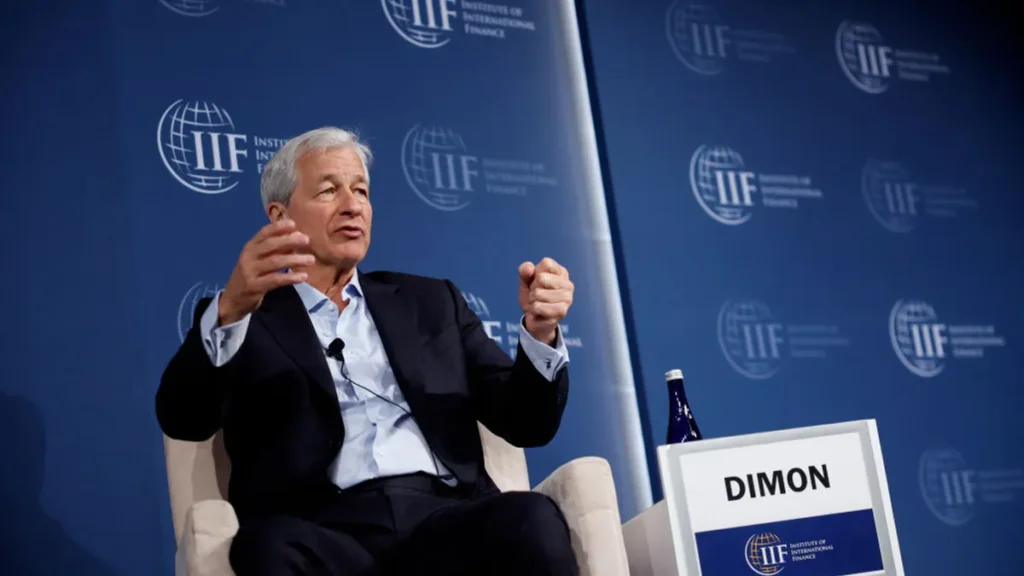
Jamie Dimon, CEO of JPMorgan Chase, is a well-documented proponent of implementing ZBB. It’s an idea he’s trying to push into the DNA of America’s biggest bank. In his last letter to shareholders he wrote:
“Zero-based budgeting… I don’t like asking people to do it. It’s too hard. But you’ve got to think that way. For instance, if I start with 100 people doing the same thing, what do I do differently, better, more with the same number of people? Understand that a P&L is not an assessment of a business – you’ve got to do the full assessment with customer metrics, turnover, apps, technology … whatever matters. In fact, the P&L could be the most deceptive thing of all – telling you and giving the wrong answer.”
Tooling & Mindset in ZBB
In any push against intuition like this, decisions need to be backed by data. Companies should ground their budgets in solid data, such as the customer metrics, turnover, and technology that Dimon mentions.
It takes both good data and strong management to confidently decide when to “over-invest” or “under-invest” in a budget for a new year (relative to what would otherwise be an unchallenged “safe” figure). A CFO might feel that their organization’s AI budget needs to be tripled heading into the next period in order to keep up with competitors pulling ahead.
Keeping last year’s lower “anchoring” figure on the table may not be helpful in that case. It pulls the company toward lower investment and risks losing strategic differentiation. Removing this dragging anchor is at the essence of what ZBB brings to an organization, beyond cost savings.
For more on this topic, continue the CostPerform blog series with this piece on trends affecting banks in 2026.